
I still remember the first time I tried calculating my body fat percentage. It was 2008, I was 23, and I’d been hitting the gym inconsistently for about a year with nothing to show for it. The dusty old percentage by mass calculator at my local YMCA spit out a number that made me wince: 26%.
That reality check kicked off a journey that’s included everything from following a ridiculous body beast lean schedule (complete with 5 AM workouts and nothing but chicken and broccoli) to finally finding an approach that actually works for someone with a job, relationships, and a life beyond fitness.
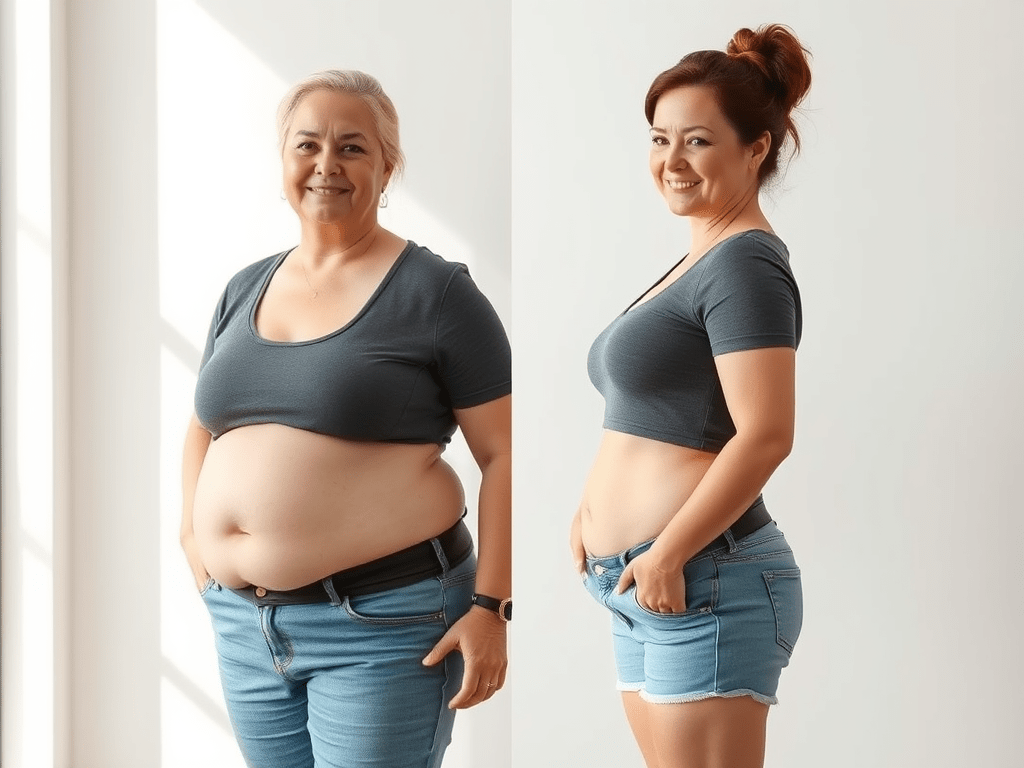
UNLOCK THE ULTIMATE WEIGHT LOSS SECRET!🔥 Tap into your body’s natural fat-burning power with a method celebrities have quietly used for years! 💪


The “Beast Body” Phase That Almost Broke Me
When I first got serious, I went all-in on a commercial program with a beast body schedule that promised to transform me in just 90 days. Every workout was meticulously planned, with a different focus each day:
- Monday: Chest/Triceps
- Tuesday: Back/Biceps
- Wednesday: Legs
- Thursday: Shoulders/Abs
- Friday: Pure cardio
- Saturday: “Beast mode” full body
- Sunday: Active recovery
I followed that lean beast body beast schedule religiously for 11 weeks, bringing my carefully prepared containers of grilled chicken to social events and missing my nephew’s birthday party because it conflicted with “beast mode” day.
Did I get results? Sure. I dropped from 26% to about 18% body fat. But the moment I eased up even slightly, everything rebounded. Plus, I was miserable.
My lifting partner Mike was equally dedicated to our body beast lean schedule. He actually tracked his adherence on a wall calendar, proudly adding checkmarks for each completed workout. By week nine, his calendar was pristine—not a single missed session. Meanwhile, I’d already skipped three due to a persistent shoulder pain I was too stubborn to properly address.
“You’re not committed enough,” Mike told me when I suggested maybe, just maybe, the body beast lean schedule was overkill for natural lifters with desk jobs. Looking back, we were both wrong. He was headed for burnout, and I was ignoring important feedback from my body.
The Dry Lean Mass Revelation
The turning point came when a new trainer introduced me to the concept of dry lean mass. Unlike total weight or even basic body composition measurements, dry lean mass specifically refers to your muscle tissue without water weight.
“You’re underfeeding your muscle,” he told me after calculating that my dry lean mass was around 145 pounds. At the time, I was eating maybe 100g of protein daily. He suggested closer to 145g.
This dry lean mass calculation completely changed my understanding of nutrition requirements. I’d been so focused on cutting calories that I’d created a recovery deficit that was actually preventing progress.
“Most guys obsess over their total weight,” my trainer explained, “but your dry lean mass is the engine that drives everything else.” He showed me how to use a simple percentage by mass calculator to track my composition more meaningfully than just watching the scale.
This single change—prioritizing protein based on my actual muscle mass—changed everything. Within three months, while following a much more relaxed workout schedule, I:
- Added 15 pounds to my bench press
- Finally saw definition in my shoulders
- Maintained my leanness while having occasional lean body cookies and cream protein shakes as treats
That’s right—I was eating lean body cookies and cream flavored protein and getting leaner than when I was suffering through plain chicken breasts and steamed broccoli. The lean body cookies and cream shake became my post-workout ritual, something I actually looked forward to rather than another form of punishment.
The Female Perspective: My Sister’s Transformation
My sister Kate struggled with different challenges. Perpetually worried about getting “bulky,” she avoided weights entirely, following advice from poorly-researched articles about how to get lean instead of bulky female body types.
She spent years on ellipticals and starvation diets without seeing the “toned” look she wanted.
The how to get lean instead of bulky female content she consumed was mostly written by men who had never trained women or by women who were genetically gifted. None of it addressed her specific body type or goals.
“I just want to know how to get lean instead of bulky female workouts that actually work,” she told me after another frustrating month of minimal results. “Everything I read says something different.”
When she finally let me introduce her to proper strength training, everything changed. Using a modified version of my approach (but never a rigid lean beast body beast schedule like I had suffered through), she transformed her physique while actually eating more than before.
The key for her was realizing that as a woman, she simply couldn’t build “bulky” muscle without extraordinary effort and chemical assistance. Once that fear disappeared, she embraced heavier training and proper nutrition.
Her particular breakthrough came when a female coach at our gym—who had the exact physique Kate wanted—shared her routine. “Forget that how to get lean instead of bulky female nonsense,” she said. “Lift heavy, eat protein, and watch what happens.”
Six months later, Kate had dropped two dress sizes while dramatically increasing her strength. No bulkiness, just the athletic, defined look she’d been chasing for years.
The Nutrition Approach That Actually Works
After experimenting with virtually everything (including a disastrous attempt to follow what some labrada lean body carb watchers program recommended), I’ve settled on a nutrition approach that’s both effective and sustainable:
- Protein first: 0.8-1g per pound of body weight daily
- Fruits and vegetables at every meal for micronutrients and satiety
- Carbs prioritized around workouts
- Minimal processed foods, but regular, planned treats
This isn’t sexy. It won’t sell supplements. But it’s kept me lean for the past seven years through job changes, relationship stress, and even a pandemic.
The labrada lean body carb watchers approach I tried briefly in 2016 was particularly problematic. It had me tracking not just total carbs but specific “types” of carbs using a complicated point system. I spent more time logging food than eating it, and the promised results never materialized.
What I learned is that while programs like labrada lean body carb watchers might work temporarily, they fail in the long run because they’re too complicated to maintain. Simplicity is underrated.
Now, I loosely track my intake using a portion-based approach rather than weighing everything. I save the labrada lean body carb watchers level of precision for when I’m preparing for something specific, like a beach vacation.

Training: Simpler Is Better
Remember that insane lean beast body beast schedule I mentioned? Complete overkill for 99% of people. After training myself and dozens of friends over the years, here’s what actually delivers results:
- 3-4 strength sessions weekly, focused on progressive overload
- Daily walking (8-10K steps)
- One metabolic conditioning session weekly (optional)
That’s it. No two-a-days. No marathon cardio sessions. Just consistent effort applied with proper recovery.
When my friend Jason asked me for help with his fitness goals last year, he was shocked by the simplicity of what I suggested. “But what about the lean beast body beast schedule I see everyone following online?” he asked.
“Those are marketing tools,” I told him. “They’re designed to look impressive and make you feel like you’re getting your money’s worth. But for natural trainees with jobs and lives, they’re unsustainable.”
Jason was skeptical but gave my approach a try. After three months on a simple upper/lower split with just four weekly sessions, he’d made more progress than in his previous year of program-hopping through various lean beast body beast schedule templates.
Tools That Matter (And Those That Don’t)
While fancy calculators and metrics can help, most are unnecessary. The tools that have genuinely helped me:
- A food scale (at least initially to learn portions)
- A simple 43.3 kg to lbs conversion chart for the gym (useful when traveling internationally)
- Progress photos (more revealing than any scale)
- Basic strength tracking app

I’ve never needed a muscle gain potential calculator or any other fancy tech. Simple, consistent tracking works best.
That said, I do understand the appeal of the muscle gain potential calculator concept. When I first started lifting seriously, I had unrealistic expectations about how quickly I could build muscle. A good muscle gain potential calculator might have helped calibrate those expectations.
The problem is that most muscle gain potential calculator tools don’t account for individual factors like bone structure, hormone levels, and training history. They provide a false sense of precision that can be more discouraging than helpful.
As for the 43.3 kg to lbs conversion, it became surprisingly important during a six-month work assignment in Europe. The gym I joined used exclusively metric plates, and I found myself constantly needing to convert 43.3 kg to lbs and other weights to understand my actual training loads.
Eventually, I memorized that 43.3 kg to lbs converts to roughly 95.5 pounds, along with a few other common plate combinations. This simple knowledge made training abroad much more seamless than constantly pulling out my phone calculator.
The Crossfit Experiment: Finding My Athletic Edge
In 2019, I decided to try something completely different and joined a Crossfit gym. I was curious if the lean crossfit body aesthetic I’d seen could be achieved without the intensity often associated with the sport.
The lean crossfit body look—athletic, defined, but not bulky—appealed to me more than the traditional bodybuilding physique I’d been chasing. There was a functionality to the lean crossfit body that seemed more aligned with actual health than just appearance.
My first few months were humbling. Despite years of traditional training, my lean crossfit body goals seemed further away as I struggled with the technical movements and higher-intensity workouts.
“You’re overthinking it,” my coach said after watching me methodically pace through a workout designed to be explosive. “The lean crossfit body comes from pushing intensity when it counts and backing off when recovery is needed. You’re stuck in one gear.”
He was right. I’d been approaching every session with the same moderate intensity, never really pushing my limits or taking true recovery days. Once I embraced the actual methodology—varying intensity dramatically based on the day’s focus—things clicked.
While I didn’t stick with Crossfit long-term, the lessons about intensity management significantly improved my training approach. I stopped seeing every workout as identical and started strategically pushing harder on key days while embracing actual recovery on others.
Beyond the Physical: What Nobody Talks About
The lean physique journey has taught me more about psychology than physiology. The biggest barriers aren’t physical—they’re mental.
I’ve learned that:
- Consistency trumps intensity every time
- Small sustainable changes outperform dramatic overhauls
- The perfect program you can’t stick to is worse than the decent one you can
When I was following that extreme body beast lean approach, I was physically improving but mentally deteriorating. My identity became wrapped up in my diet and training. That’s not health—it’s just another form of dysfunction.
The body beast lean mentality creates a toxic relationship with fitness, where you’re either “on” the program or you’re failing. There’s no middle ground, no room for the natural ebbs and flows of life.
I see this especially with beginners attracted to the body beast lean marketing. They go all-in for a few weeks, inevitably miss some aspect of the rigid plan, then abandon everything because they can’t maintain perfection. It’s a cycle of self-sabotage disguised as dedication.
Weight Conversion Confusion: A Costly Mistake
During my European work assignment, my 43.3 kg to lbs conversion confusion led to an embarrassing incident. I’d been meticulously tracking my progress on key lifts, including a barbell row that had reached what I thought was 200 pounds.
I was pretty proud of this achievement until a visiting American colleague pointed out that I’d been calculating wrong. The plates I thought weighed 45 pounds each were actually 20 kg—or about 44 pounds.
That seems like a small difference, but across multiple plates, my actual working weight was closer to 190 pounds than 200. I’d been recording incorrect numbers for weeks.
This 43.3 kg to lbs conversion error taught me an important lesson about precision. While I still believe in keeping things simple, accuracy matters when tracking progress. Now I double-check any conversion, whether it’s 43.3 kg to lbs or anything else.
The Muscle Potential Reality Check
One of the most valuable tools I discovered mid-journey was a realistic muscle gain potential calculator based on research rather than supplement company promises.
This evidence-based muscle gain potential calculator suggested that, at my height and frame, my maximum muscular potential was about 175 pounds at 10% body fat—without chemical assistance. At the time, I was chasing a goal of 190 pounds of lean mass, setting myself up for inevitable disappointment.
The reality provided by this muscle gain potential calculator wasn’t limiting—it was liberating. Instead of constantly feeling like I was falling short, I could appreciate that I was actually approaching my natural genetic ceiling.
For natural trainees, a good muscle gain potential calculator is worth consulting, if only to set realistic expectations and prevent the discouragement that comes from chasing pharmacologically-enhanced physiques.
Common Mistakes I’ve Made (So You Don’t Have To)
Looking back at 15 years of training, these mistakes cost me the most progress:
- Program hopping: Switching routines before giving any of them enough time to work
- Undereating protein: Focused on total calories while neglecting protein needs
- Overtraining/underrecovering: More isn’t always better, especially without proper recovery
- Comparison: Everyone’s body responds differently to training stimuli
The most damaging was probably comparison. When I was constantly checking if I looked like fitness models or matched some ideal lean crossfit body, I was setting myself up for frustration.
The lean crossfit body athletes I admired were often genetic outliers, training multiple times daily as their primary job, and many were using performance-enhancing substances. Comparing my three-sessions-per-week, natural physique to theirs was not just unfair—it was destructive.
Even within my own gym, comparing my progress to others led to poor decisions. I’d see someone with a great lean crossfit body physique and immediately want to copy their approach, abandoning what was actually working for me in favor of what worked for their completely different situation.
The Sustainable Approach I Use Today
Now in my late 30s, I maintain a physique I’m happy with using an approach that fits my life:
- Three 45-minute strength sessions weekly
- Protein at every meal
- Daily walking
- Occasional treats (including my favorite lean body cookies and cream protein shake)
- Regular sleep and stress management
Nothing extreme. Nothing that dominates my schedule or social life. But it works—consistently and sustainably.
The lean body cookies and cream shake has become somewhat symbolic of my approach—enjoyable, satisfying, but also supportive of my goals. It represents finding the middle path between restriction and indulgence.
I no longer use a percentage by mass calculator obsessively. Instead, I check body composition every few months as a data point, not a judgment. The percentage by mass calculator is a tool, not a scorecard of my worth.
Is It Worth It?
After 15 years, countless programs, and experiments with everything from body beast lean to lean body diet plan pdf downloads, I can confidently say: finding a sustainable approach to fitness is absolutely worth it.
Not because of how you’ll look (though that’s nice), but because of how it transforms your relationship with your body. From adversary to ally. From disappointment to capability.
The body beast lean approach promised quick, dramatic results, and to be fair, it can deliver them—temporarily. But the sustainable path, while slower, builds something more valuable: a healthy relationship with fitness that can last a lifetime.
If you take anything from my journey, let it be this: the path to a lean physique isn’t found in extreme programs or perfect adherence. It’s built through consistent, imperfect effort over time.
And that’s something anyone can achieve—no matter where you’re starting from.
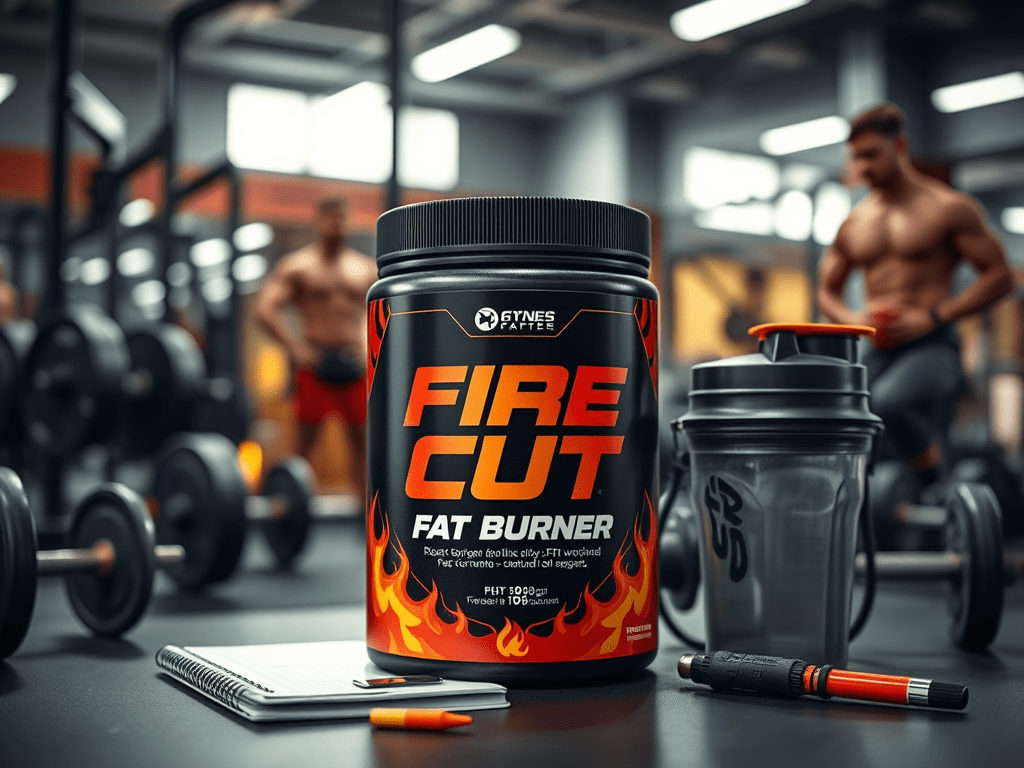
READY TO BLAST AWAY STUBBORN BELLY FAT QUICKLY? 🔥 Here’s your game-changer! Add this flavorless powder to your morning coffee and witness the incredible results! 💪






 Sustainable Weight Loss: Simple Daily Steps
Leave a comment