
I never thought I’d be writing about weight loss. Like, ever. I always figured I’d be one of those guys who just gradually expanded with age and eventually bought clothes exclusively from the “husky” section.
But here we are.
It started with COVID, like so many things. March 2020: lockdown begins. April 2020: discovered the unholy trinity of food delivery apps, online shopping, and streaming services. May 2020: realized that sweatpants are basically just socially acceptable pajamas.
By August, I was deep into not giving a single shit. Beer with lunch on a Tuesday? Sure, I’m “working from home.” Pizza at midnight? Why not. Netflix instead of a run? Absolutely.
I knew something was up when my favorite jeans no longer fit. Not in the “these are a little tight” way, but in the “I literally cannot button these” way. But it was easy to ignore because, hey, pandemic! Who’s seeing me anyway?
Then came March 2021. My wife insisted I go for a physical since I’d skipped the previous year’s. Dr. Patel did not hold back.
“So… you’ve gained 37 pounds since your last visit,” she said, looking up from her clipboard with one eyebrow raised.
“It’s been a rough year,” I mumbled.
“For everyone,” she nodded, “but not everyone gained 37 pounds.”
She reached into a drawer and pulled out this yellowish blob thing that looked like congealed chicken fat.
“This is what 8 pounds of fat looks like,” she said, dropping it on the desk with a disturbing THWACK. “You’ve gained more than four of these.”
I stared at it. Eight pounds of fat looked way bigger than I expected. And I’d gained FOUR TIMES this amount? Jesus.
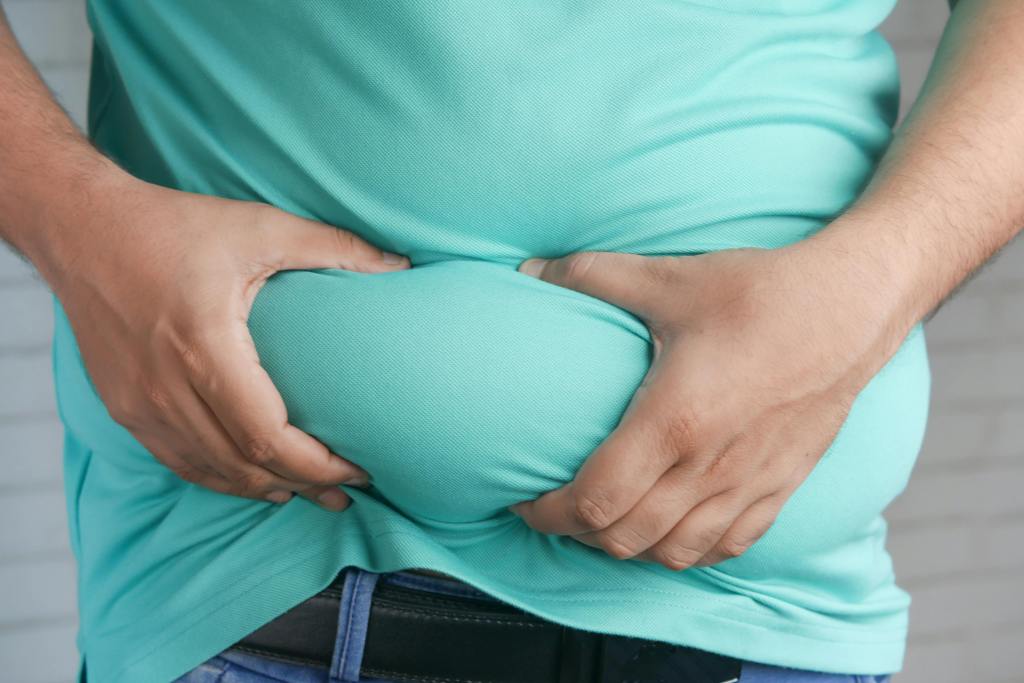
“You’re developing what we call visceral fat,” she continued, gesturing vaguely at my midsection. “The dangerous kind that surrounds your organs. That pot belly isn’t just a cosmetic issue.”
I nodded, suddenly very aware of how my shirt buttons strained across my big tummy.
But the real gut punch (literally) came a week later.
I was lying on the couch watching basketball when my 6-year-old son climbed onto my stomach and started bouncing slightly.
“Dad,” he said with innocent curiosity, “why is your belly so squishy and big?”
My wife, sitting nearby, suddenly became VERY interested in her book.
“I’ve just been eating too much junk food, buddy,” I said, trying to sound casual while dying inside.
“Is that why you breathe so loud when you walk up the stairs?” he asked.
Children, man. Brutal truth-tellers.
That night, I really looked at myself in the mirror. Not the careful, shoulders-back, chin-up pose I’d mastered for selfies, but straight-on, harsh bathroom light, letting it all hang out.
My gut didn’t just stick out—it sagged. I had actual man boobs forming. The belly down pressure I felt when lying on my back made it hard to get comfortable at night. When the hell did I turn into this guy?
I was 41 years old, heading down the same path as my dad, who had his first heart attack at 48. Something had to change.
UNLOCK THE ULTIMATE WEIGHT LOSS SECRET!🔥 Tap into your body’s natural fat-burning power with a method celebrities have quietly used for years! 💪


The Initial Fuck-Ups
First stop: YouTube. “How to lose belly fat fast male.”
Sweet Jesus, what a mistake. I spent the next month trying:
- This “belly fat destroyer” workout that nearly destroyed my back on day 2
- Apple cider vinegar shots that just gave me acid reflux
- A “cleanse” that had me living in the bathroom for 48 hours
- Some bullshit supplement that cost $79 and did exactly nothing
I dropped $300+ on this garbage before accepting I was approaching this all wrong. I was desperate to lose weight but looking for shortcuts that clearly didn’t exist.
My wake-up call came from my brother-in-law, Steve. We were at a family BBQ, and I hadn’t seen him in over a year. Dude had completely transformed—not in that weird, gaunt, “are you on meth?” way, but in a healthy “wow, you look good” way.
After dancing around it awkwardly for 20 minutes, I finally cornered him by the coolers.
“OK, what’s your secret?” I asked, gesturing at his obviously smaller frame. “Surgery? Pills? Deal with the devil?”
He laughed. “Man, I wish. Nothing that exciting.”
“Then what? Because I’ve tried every ‘fast fat loss’ trick on the internet and nothing’s working.”
“That’s the problem,” he said, taking a sip of his beer. “You’re looking for tricks. There aren’t any.”
Not what I wanted to hear.
But then he said something that actually stuck with me: “Look, it’s all boring shit that everyone already knows. Eat better food, move more, sleep enough, be consistent. That’s literally it. It’s just that nobody wants to hear that because it’s not sexy and it takes time.”
Crap. Deep down, I knew he was right.
The 7-Day Meal Plan That Didn’t Completely Suck
I’ve known Steve since he married my sister 15 years ago. The guy used to put away entire pizzas as a snack. If he could figure this out, maybe I could too.
I texted him a week later asking for specifics. He sent me his basic 7-day meal plan—nothing fancy, just whole foods in reasonable portions.
“This is it?” I texted back. “No special timing? No weird food combinations? No superfoods?”
“This is it,” he replied. “But you have to actually follow it. Every day. For at least a month. No ‘weekends off.’ No ‘cheat days.’ Just do it and see what happens.”
The plan wasn’t complicated:
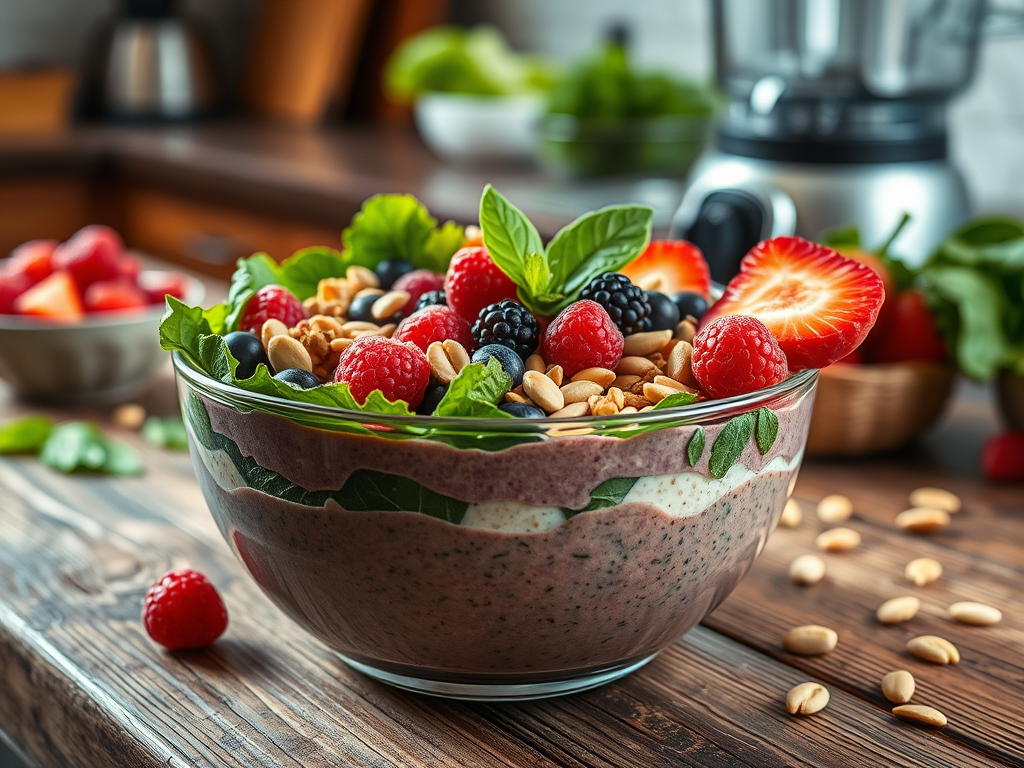
Breakfast: Eggs with veggies OR Greek yogurt with berries and nuts Lunch: Big-ass salad with protein OR leftovers from dinner Dinner: Palm-sized protein, fist-sized carbs, lots of veggies Snacks: Fruit, nuts, or protein shake if actually hungry (not just bored)
No counting calories. No weird ingredients. No eliminating entire food groups. Just… actual food in reasonable amounts.
I won’t lie—the first 10 days were absolutely miserable. I had headaches. I was cranky as hell. I snapped at my wife when she innocently suggested ordering Thai. My body was in full-on revolt, wondering where all the Doritos and ice cream had gone.
But then… something shifted. Around day 11, I woke up and realized I actually had energy in the morning. Not the jittery, three-cups-of-coffee energy I was used to, but actual, sustained energy. By the end of week three, I’d lost 7 pounds of fat. My wedding ring wasn’t cutting off circulation to my finger anymore.
Of course, I still screwed up regularly. There was the night we had friends over and I demolished half a pizza and four beers. There was the work lunch where I panic-ordered a burger and fries because I didn’t want to be “that guy” asking a million questions about the menu. And there was my kid’s birthday party where I stress-ate cake while managing seven hyper 6-year-olds.
The difference was, I didn’t let these moments derail everything. Before, one “bad” meal would trigger this weird shame spiral: Well, I already fucked up, might as well go all in. Pizza for dinner, ice cream for dessert, and we’ll start fresh on Monday (which inevitably became next Monday, then next month).
This time, I just acknowledged it and moved on. Had cake at the party? Fine, back to the plan for dinner. No drama.

Intermittent Fasting: The Thing I Accidentally Stumbled Into
About six weeks in, something weird happened. I overslept and had to rush to an early client meeting, so I skipped breakfast. By noon, I realized something strange: I wasn’t starving and thinking about murdering someone for a muffin. I felt… normal?
This got me curious about intermittent fasting. After some research and a long chat with Steve (who, it turned out, had been doing it for years), I decided to try a simple 16/8 approach—basically skipping breakfast and eating between noon and 8 PM.
The first week was rocky:
Day 1: My stomach wouldn’t shut up during a team meeting. Kept chugging black coffee hoping nobody could hear the gurgling. Day 2: Woke up at 3 AM thinking about pancakes. Seriously considered eating peanut butter straight from the jar. Day 3: Had weird brain fog until about 11 AM, then suddenly felt… clearer? Like someone turned on a light in my head?
By the end of the second week, something clicked. The morning hunger mostly disappeared. My energy was more stable throughout the day. And most surprisingly, when I did eat, I was satisfied with normal portions. The constant need to snack had diminished.
Of course, I fucked it up spectacularly around day 20. After nearly three weeks of successful 16/8 fasting, I decided to push it to a 20-hour fast because if 16 hours was good, 20 must be better, right?
WRONG. By hour 19, I was a shaking, light-headed mess. I broke my fast by standing at the kitchen counter and inhaling an entire box of Honey Nut Cheerios with my bare hands, followed by a block of cheddar cheese I ate like an apple. My wife found me surrounded by cereal crumbs, wild-eyed, clutching what remained of the cheese.
“Having a good day?” she asked dryly.
Lesson painfully learned.
Exercise for People Who Would Rather Not
Here’s my confession: I fucking hate working out. Hate it. Hate feeling sweaty and out of breath. Hate the gym with its weird smells and complicated equipment and intimidating dudes in stringy tank tops.
But I had to admit, diet alone wasn’t going to trim body weight and build any kind of muscle. After a few false starts with routines I found online (none of which lasted more than a week), I finally broke down and asked my buddy Mike for help. He’s been a personal trainer for years.
“I need the absolute minimum effective dose of exercise,” I told him bluntly. “I hate this shit, I will never love it, and I need something I can actually stick with.”
To his credit, he didn’t try to convert me to CrossFit or whatever fitness cult he belonged to. Instead, he designed the simplest routine imaginable:
- 3 days a week, 30 minutes max
- Five basic movements: squats, deadlifts, push-ups, rows, and overhead presses
- Start with just body weight, then add bands, then actual weights as I got stronger
- Daily walking. Not power walking, not running. Just… walking. Aiming for 8,000 steps.
“That’s it?” I asked skeptically. “This will actually do anything?”
“It’ll do plenty,” he assured me. “Because you’ll actually do it. The ‘perfect’ routine you quit after a week is worth exactly shit.”
He was right. This bare-bones approach was something I could manage even on my worst days. And to my surprise, I started almost looking forward to the strength sessions. Not because I suddenly became a fitness enthusiast, but because I liked how I felt afterward—less like a blob, more like a functional human person.
Three months in, the scale hadn’t moved dramatically, but my body had changed. My lean belly was nowhere near a six-pack, but it was a vast improvement from the round pot belly I’d started with. My posture improved because I wasn’t carrying as much weight in front. And I could go up the stairs without sounding like I was about to pass out, which my son helpfully pointed out.
The Fast Food Reality
Let’s be real: I travel for work. I have kids with activities. Sometimes dinner is whatever I can grab between leaving the office and making it to my daughter’s softball game.
Rather than pretend this would never happen, I researched the best low calorie fast food options at major chains. Some lifesavers:
- Chipotle bowl with chicken, black beans, fajita veggies, pico, and a little guac (skip rice and cheese) – about 450 calories
- Chick-fil-A grilled nuggets and side salad – about 250 calories
- Panera’s Mediterranean bowl – about 500 calories
- Subway turkey on wheat with all the veggies and mustard – about 350 calories
I kept this list in my phone for emergencies. But the bigger lesson was changing how I thought about these situations. One drive-thru meal doesn’t ruin everything. One office birthday party cake slice doesn’t erase all progress. What matters is what you do most of the time, not what you do occasionally.
This mindset was tested during a three-day conference in Vegas. Open bars, buffets, client dinners—basically food-and-booze Disneyland. In the past, I would have thrown in the towel and declared a “diet vacation.”
This time, I made the best choices available without being the weird guy with food issues. I came back having gained only 3 pounds, which disappeared within a week of returning to my normal routine. Small victory, but it felt huge.
The Sleep Connection I Wish Someone Had Told Me About Sooner
About five months in, everything stalled. Nothing changed for three straight weeks despite sticking with my eating and exercise routines. I was bitching about this to my wife one night, and she gave me this look.
“You’re getting like 5 hours of sleep a night,” she pointed out. “You don’t think that might be affecting things?”
I hadn’t considered that, actually. Between work deadlines, staying up late to have some “me time” after the kids went to bed, and our youngest’s occasional middle-of-the-night wake-ups, I was chronically sleep-deprived.
“Sleep affects the hormones that control hunger and fat storage,” my wife informed me. When I looked skeptical, she added, “I read about it in that book on your nightstand that you bought and never opened.”
Once again, my wife was right (don’t tell her I admitted this). Research confirmed that sleep deprivation increases ghrelin (makes you hungry) and decreases leptin (signals fullness). It also messes with insulin sensitivity and stress hormones.
I committed to improving my sleep: no screens an hour before bed, consistent bedtime, cooler bedroom, cutting off caffeine after 2 PM. The first few nights were rough, but within a week, I was consistently getting 7-ish hours.
The impact was immediate and undeniable. Not only did my weight loss resume, but I found I had better control around heavy food. The mid-afternoon energy crashes that used to send me to the vending machine disappeared. My workouts felt more effective. And according to my wife, I was “less of an insufferable asshole” to be around.
The Mental Shit Nobody Talks About
Six months into this journey, I realized the hardest part wasn’t physical—it was mental. I had to confront some uncomfortable truths about my relationship with food and my body.
Food had become my all-purpose coping mechanism. Bored? Eat. Stressed? Eat. Celebrating? Eat. Sad? Definitely eat. Breaking this connection between emotions and eating was harder than any dietary change.
I also had to face how much my identity was tied to being “the funny fat guy.” It was my social role, my defense mechanism. As I lost weight, I occasionally found myself feeling strangely vulnerable, like I was losing my armor.
There was this moment at a work happy hour that really highlighted this shift. A colleague I hadn’t seen in months said, “Wow, you’ve lost weight! You look great!”
Before I could answer, another coworker jumped in with, “You shouldn’t comment on people’s weight. It could be from illness or stress or something.”
The conversation derailed into this weird debate about whether it’s appropriate to comment on people’s bodies. Meanwhile, I just stood there holding my club soda with lime, feeling oddly exposed.
The old me would have made a self-deprecating joke, then stress-eaten the entire appetizer platter. The new me just let the awkward moment exist without trying to fill it with food or deflection.
That was when I realized how much progress I’d made—not just physically, but mentally.
Where I Am Now
A year into this journey, I’ve lost 35 pounds. But the number on the scale is actually the least important change.
My bloodwork has improved dramatically. My doctor actually said “holy shit” when she saw my cholesterol numbers (in a good way).
I can play with my kids without getting winded. I can sit comfortably in airplane seats. I no longer dread the annual family photos.
But the biggest change has been in my relationship with food and my body. I no longer view food as reward or punishment or entertainment. I don’t see exercise as torture. I don’t beat myself up over occasional indulgences.
I’ve found a sustainable approach to health—what you might call a science diet healthy weight approach—that I can maintain without feeling deprived or obsessed.
What worked for me was:
- Basic nutrition focused on whole foods and proper portions
- Intermittent fasting as a tool (not a religion)
- Minimal but consistent strength training
- Prioritizing sleep
- Dealing with the emotional baggage around food
Notice what’s not on that list: weird restriction diets, expensive supplements, extreme exercise, or any kind of quick fix.
I still enjoy pizza with my kids. I still have beers with friends occasionally. The difference is that these are conscious choices rather than mindless habits. And most importantly, I’ve let go of that desperate to lose weight mindset that kept me trapped in cycles of restriction and rebound.
Last month, a younger colleague asked for advice after noticing my transformation. As I shared what had worked for me, I realized I wasn’t just repeating things I’d read—I was speaking from lived experience, from all the trial and error and failures and small victories.
“The hardest part isn’t starting,” I told him. “It’s persisting through the days when nothing seems to be changing. Trust the process and give your body time to respond.”
If you’re just starting out, remember this: The approach that works is the one you can actually maintain. Find what fits your life, your schedule, your preferences—that’s the path to lasting change.
And for fuck’s sake, be kinder to yourself than I was to myself. The body you’re trying to change is still carrying you through life every day. It deserves basic respect, even as you work to improve it.
READY TO BLAST AWAY STUBBORN BELLY FAT QUICKLY? 🔥 Here’s your game-changer! Add this flavorless powder to your morning coffee and witness the incredible results! 💪





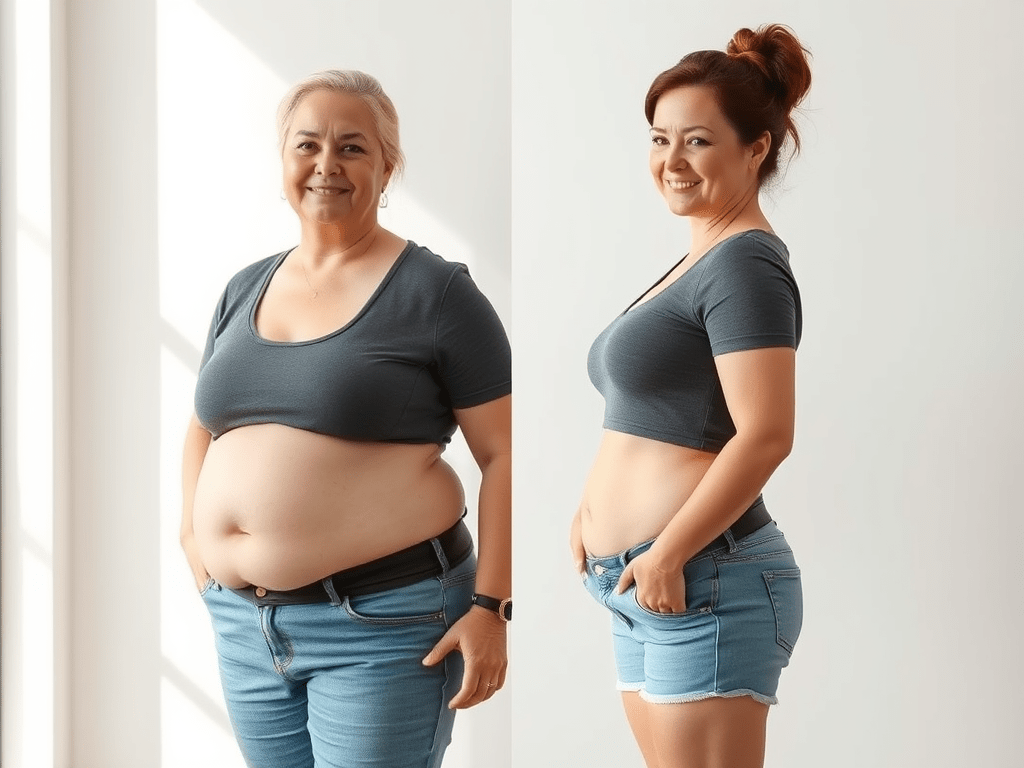
 Sustainable Weight Loss: Simple Daily Steps
Leave a comment