
Look, I never planned to become one of those weight loss journey blog people. The whole “before and after” industry always seemed like sanctimonious bullshit to me. But here I am, typing this up, because maybe my story will help someone else who’s as lost as I was.
It started, like most bad ideas do, at my annual physical.
“Your bloodwork is concerning,” Dr. Mendez said, scrolling through his iPad. “Cholesterol’s up, blood sugar’s borderline, and you’ve gained 23 pounds since last year.”
“Pandemic,” I mumbled, the universal excuse of 2021.
He looked up at me. “The pandemic affected everyone. Not everyone gained 23 pounds.”
Touché, Dr. Mendez. Touché.
“We need to talk about abdominal lean mass versus fat,” he continued, gesturing vaguely at my midsection. “You’re carrying most of your weight around your organs, which significantly increases your health risks.”
I nodded, uncomfortably aware of how my belly be gone dreams from previous years had crashed and burned. My gut had only expanded.
“I’m going to recommend some medical weight loss meals plans,” he said, scribbling on a prescription pad. “And we should discuss potential calorie deficit approaches—”
“I’ve tried calorie deficits,” I interrupted. “I just end up with calorie deficit hunger that makes me miserable and eventually I quit.”
He sighed. “That’s because most people try to create too large a deficit too quickly. Let’s talk about how to be in a calorie deficit without being hungry.”
I took his paperwork, made vague promises to “do better,” and promptly stuffed everything into my glove compartment where it sat for the next three months.
What finally kicked my ass into gear wasn’t the doctor’s warning. It was my seven-year-old son pointing at my gut and asking, “Daddy, why is your tummy so much bigger than the other dads at swimming lessons?”
Kids, man. They just say what they see.
UNLOCK THE ULTIMATE WEIGHT LOSS SECRET!🔥 Tap into your body’s natural fat-burning power with a method celebrities have quietly used for years! 💪


The “What the Hell Am I Doing?” Phase
The first thing I did was exactly what everyone does in 2022—I googled “fat burn america” and “quickway nutrition” and a bunch of other magic-bullet solutions. I ordered:
- Some “activate weight loss drink” that tasted like sweetened chalk and gave me explosive diarrhea
- A “supercharge poultry supplement” that was supposed to make chicken metabolize fat (whatever the fuck that means)
- A “total belly detox” kit that was essentially laxatives and diuretics with pretty packaging
I dropped $300+ on this garbage before accepting I was approaching this all wrong.
I also tried the one crazy “diet hack” that was somehow going to undo years of poor choices:
- The “eat nothing but grapefruit” plan (lasted half a day)
- The “eat whatever you want but only during a 2-hour window” plan (nearly passed out during a work presentation)
- The “eat like a caveman” plan (turns out cavemen didn’t have to sit through meetings or commute or deal with children’s birthday parties)
Meanwhile, I was still avoiding the basic truth that I needed to make sustainable changes. I was looking for the “zip burn weight loss” miracle instead of doing the actual work.
Finding What Actually Works for Dieting for Dummies (Like Me)
My wake-up call came from my college roommate, Tony. We’d fallen out of touch, but reconnected through Facebook. His profile picture showed a guy half the size I remembered.
I messaged him: “Dude, what’s your secret? Surgery? Meth? Deal with the devil?”
“Nothing that exciting,” he replied. “Just consistency and patience.”
Not what I wanted to hear.
But he added: “Look, I was where you are. Tried all the shortcuts. None worked. When you’re ready to actually change, call me.”
A week later, I called him. We talked for two hours. Not about miracle foods or supplements, but about sustainable systems and mental approaches. He’d lost 85 pounds over 18 months and kept it off for three years.
“The first thing you need to understand,” he said, “is that your metabolism isn’t ‘broken.’ You’ve just been working against it rather than with it.”
He introduced me to the concept of “one a day active metabolism” boosting—not through pills or weird drinks, but through basic principles:
- Protein with every meal to increase satiety and thermal effect
- Weight training to build muscle that burns calories even at rest
- Strategic daily activity that wasn’t formal “exercise”
- Understanding what are thermogenic foods and incorporating them naturally
“Forget crash diets,” he advised. “You need to think about this as a slow, steady process. What’s the weight of loss you’d be happy with each week without feeling deprived? Half a pound? A pound? That’s your target.”
I decided on one pound per week. Ambitious enough to see progress, slow enough to be sustainable.
The Meal Plan That Didn’t Make Me Want to Die
Tony helped me design a simple meal structure built around calorie dense vegetables and lean proteins. The plan wasn’t complicated:
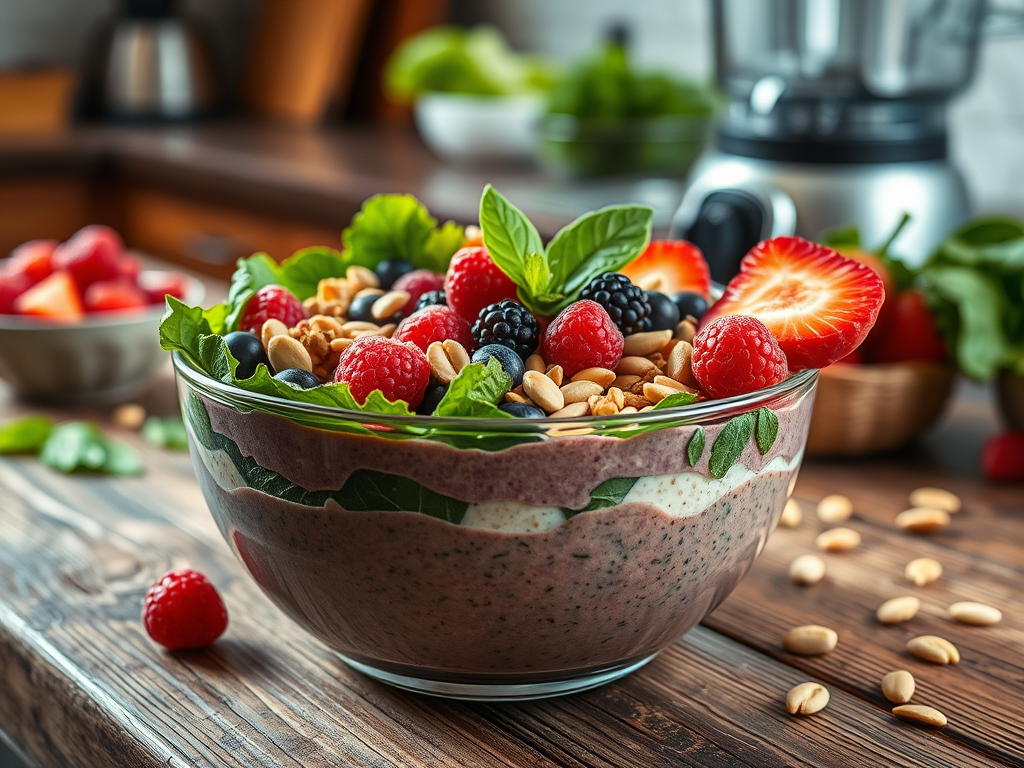
Breakfast: Protein-focused (eggs with vegetables, Greek yogurt with berries, protein smoothie) Lunch: Massive salad with lean protein and healthy fats Dinner: Palm-sized protein, lots of vegetables, moderate complex carbs Snacks: Fruit, nuts, or protein when actually hungry
This wasn’t about bizarre restrictions or eliminating food groups. It was about eating foods that kept me full longer while providing better nutrition.
The first week was challenging as my body adjusted. By day three, I had headaches and was irritable as hell. But by the end of week one, something shifted. I wasn’t constantly hungry. My energy was more stable. And I’d lost 2 pounds without feeling deprived.
Of course, I still screwed up regularly. There was the office birthday party where I had two slices of cake. There was the dinner with clients where I drank three beers and demolished a plate of pasta. There was the Sunday I ate half a pizza while watching football.
The difference was, I didn’t let these moments derail everything. Before, one “bad” meal would trigger a shame spiral that led to days or weeks of poor choices. This time, I just acknowledged it and moved on. Had cake at lunch? Fine, back to the plan for dinner. No drama.

The Anti Belly Approach That Actually Worked
Around week four, Tony suggested incorporating some strategic exercise.
“But I hate the gym,” I protested. “And I don’t have time for hour-long workouts.”
“Then don’t do those things,” he replied simply. “Do something minimal that you’ll actually stick with.”
He designed what he called the “anti belly workout”—a simple routine that took 20 minutes, three times a week:
- 5 basic compound movements (squats, hinges, pushes, pulls, and carries)
- Start with just body weight, then add resistance as strength improved
- Focus on form and consistency rather than intensity
- Combat male belly fat removal through overall body composition change rather than spot reduction
“This won’t give you a six-pack,” he warned, “but it will help you build some muscle, which increases your metabolism even when you’re not exercising.”
To my surprise, I actually didn’t hate this routine. It was brief enough not to disrupt my day, but effective enough that I could see and feel changes within a few weeks.
I also added daily walks—not power walks or runs, just… walking. Aiming for 8,000-10,000 steps a day. Some days that meant pacing during phone calls or taking the stairs or parking farther away. It wasn’t dramatic, but it added up.
Three months in, my clothes fit differently. I wasn’t ready for a “lean gut body” fitness photoshoot, but my shirts weren’t straining at the buttons anymore. When I lay on my back, I no longer felt that uncomfortable pressure from my gut. And most importantly, I could play with my kids without getting winded.

The Fast Food Reality Check
Let’s be real—I travel for work, have kids with activities, and sometimes life gets crazy. There are days when drive-thru is the only option.
Rather than pretend this would never happen, I researched the best burn meals options at major chains. Some lifesavers:
- Chipotle bowl with double protein, beans, veggies, salsa (no rice, light on cheese)
- Chick-fil-A grilled nuggets and side salad
- Subway turkey with loads of veggies
- Panera Mediterranean bowl
I kept this list in my phone for emergencies. But the bigger lesson was changing how I thought about these situations. One drive-thru meal doesn’t ruin everything. One office birthday cake doesn’t erase progress. What matters is what you do most of the time.
This mindset was tested during a four-day business trip to Chicago. Client dinners, hotel breakfasts, airport food—a minefield of temptation. In the past, I would have thrown in the towel and declared a “diet vacation.”
This time, I made the best choices available without being weird about it. I came back having gained only 2 pounds, which disappeared within a week of returning to my normal routine. Progress, not perfection.
The Thin Cal Approach That Changed Everything
About five months in, I hit a frustrating plateau. Nothing changed for three straight weeks despite sticking with my eating and exercise routines.
Tony suggested I track my food intake more precisely for a week—not to restrict more, but to see what patterns emerged.
“Most people think they’re eating in a calorie deficit but aren’t,” he explained. “Either they’re underestimating portions or forgetting to count things like cooking oils, beverages, or ‘just a taste’ moments.”
Reluctantly, I downloaded a food tracking app and logged everything for a week. The results were eye-opening:
- I was using WAY more olive oil than I thought in cooking
- My “handful” of nuts was actually 2-3 servings
- The creamer in my coffee added up significantly over the day
- My weekend wine habit was contributing hundreds of unaccounted-for calories
This wasn’t about becoming obsessive with tracking. It was about gaining awareness of where hidden calories were creeping in. With a few small adjustments—measuring oil instead of free-pouring, portioning nuts instead of eating from the container, switching to almond milk in coffee—my progress resumed.
I realized that “thin cal” living wasn’t about restriction—it was about being strategic with my calories, focusing on foods that provided the most nutrition and satiety for the caloric cost.
The Meta Booster Effect Nobody Talks About
Six months into this journey, the most significant changes weren’t physical—they were mental.
I had to confront some uncomfortable truths about my relationship with food and my body. Food had become my all-purpose coping mechanism. Bored? Eat. Stressed? Eat. Celebrating? Eat. Sad? Definitely eat.
Breaking this connection between emotions and eating was harder than any dietary change. I had to develop new coping strategies for life’s ups and downs that didn’t involve food.
I also had to face how much my identity was tied to being “the big guy.” It was my social role, my defense mechanism. As I lost weight, I occasionally found myself feeling strangely vulnerable, like I was losing part of my personality.
There was this moment at a work event that really highlighted this shift. A colleague I hadn’t seen in months said, “Wow, you’ve lost weight! What’s your secret?”
Before I could answer, another coworker jumped in with, “Careful with weight loss compliments. You never know if someone’s been sick or stressed.”
The conversation derailed into a debate about whether it’s appropriate to comment on people’s bodies. Meanwhile, I just stood there, feeling oddly exposed.
The old me would have made a self-deprecating joke, then stress-eaten the entire appetizer platter. The new me just let the awkward moment exist without trying to fill it with food or deflection.
That was when I realized how much progress I’d made—not just physically, but mentally. I was developing a meta booster effect where each small success built momentum for the next one.
Where I Am Now
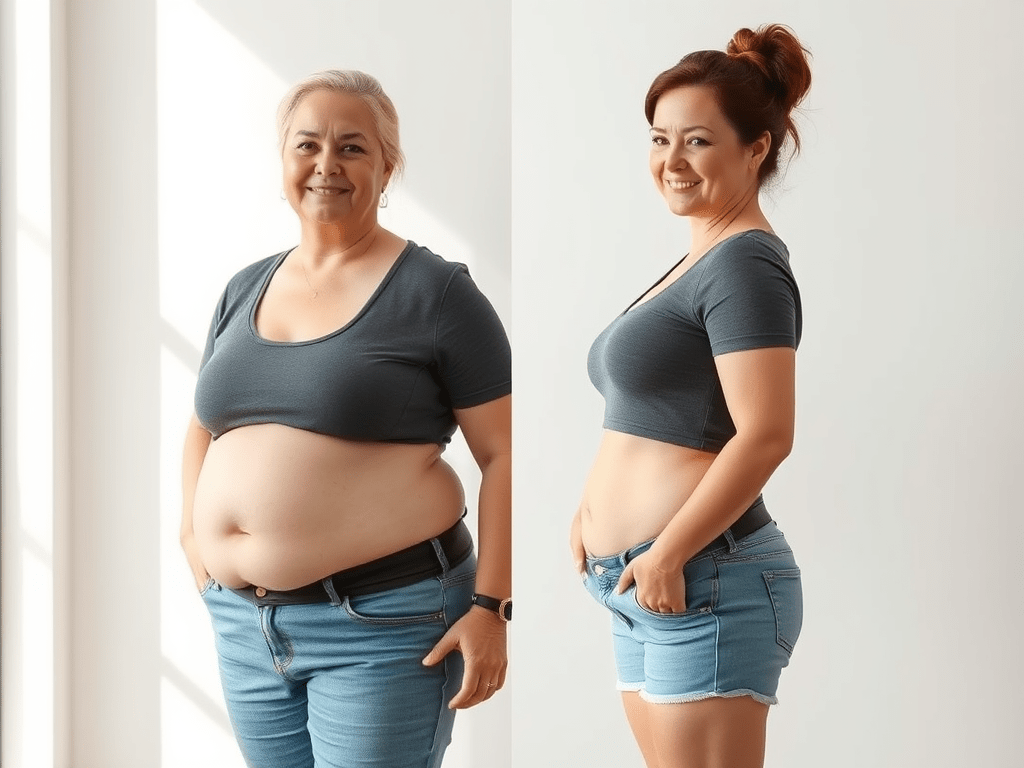
A year into this journey, I’ve lost 43 pounds. But the number on the scale is actually the least important metric.
My bloodwork has improved dramatically. My doctor was genuinely shocked at my last physical.
I can play with my kids without getting winded. I can sit comfortably in airplane seats. I can wear clothes I actually like instead of whatever will hide my gut.
But the biggest change has been in my relationship with food and my body. I no longer view food as reward or punishment or entertainment. I don’t see exercise as torture. I don’t beat myself up over occasional indulgences.
I’ve found a sustainable approach to health that I can maintain without feeling deprived or obsessed.
What worked for me was:
- Understanding metabolic principles rather than following fad diets
- Focusing on protein and vegetables for satiety
- Minimal but consistent strength training
- Daily movement that wasn’t formal “exercise”
- Addressing the emotional aspects of eating
Notice what’s not on that list: crash diets, expensive supplements, extreme exercise, or any kind of quick fix.
I still enjoy pizza with my kids. I still have beers with friends occasionally. The difference is that these are conscious choices rather than mindless habits.
Last month, a younger colleague asked for advice after noticing my transformation. As I shared what had worked for me, I realized I wasn’t just repeating things I’d read—I was speaking from lived experience, from all the trial and error and failures and small victories.
“The hardest part isn’t starting,” I told him. “It’s persisting through the days when nothing seems to be changing. Trust the process and give your body time to respond.”
If you’re just starting out, remember this: The approach that works is the one you can actually maintain. Find what fits your life, your schedule, your preferences—that’s the path to lasting change.
And for God’s sake, be kinder to yourself than I was. The body you’re trying to change is still carrying you through life every day. It deserves basic respect, even as you work to improve it.
READY TO BLAST AWAY STUBBORN BELLY FAT QUICKLY? 🔥 Here’s your game-changer! Add this flavorless powder to your morning coffee and witness the incredible results! 💪





 Sustainable Weight Loss: Simple Daily Steps
Leave a comment