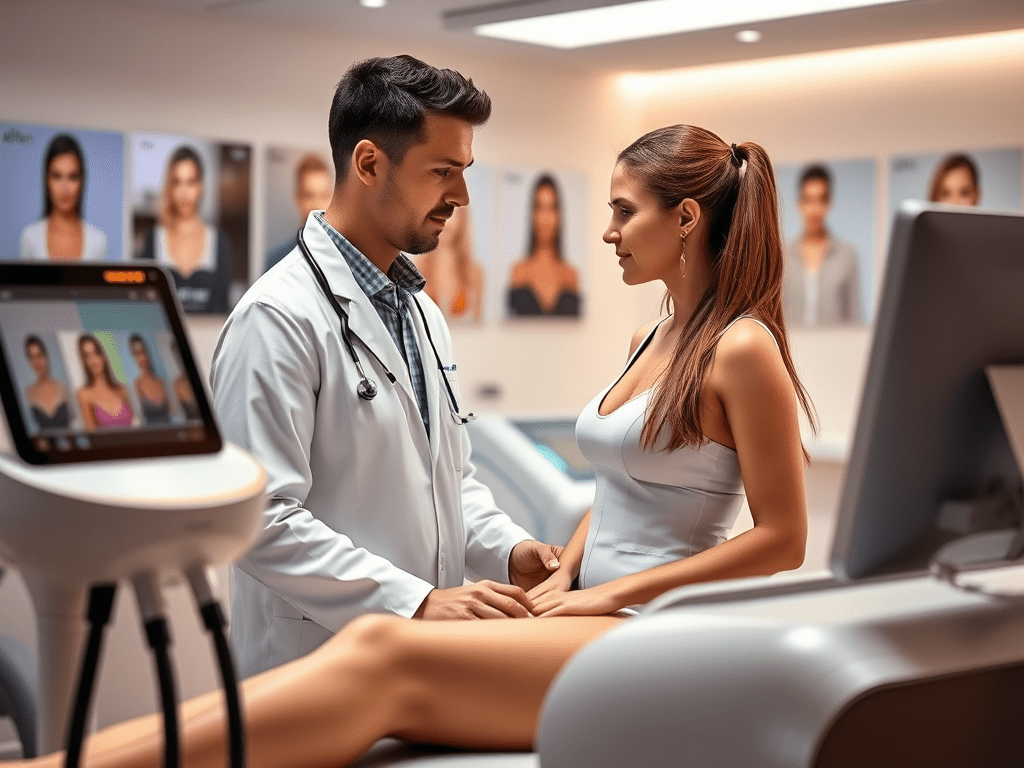
I spent three months researching this piece. After talking to dozens of people who’ve tried everything from coolsculpting for hips to those weird at-home machines advertised on late-night TV, I’ve learned a ton about what works and what’s just expensive snake oil. Buckle up.
If you’ve been Googling “stomach sculpting near me” at 2am while pinching your belly fat (don’t worry, we’ve all been there), this article is for you. I’m not selling anything – just sharing what I’ve discovered after interviewing real practitioners, skeptical dermatologists, and regular people who’ve spent thousands trying to shrink their trouble spots without going under the knife.
Finding Decent Body Toning Near Me Was a Nightmare
Let me start with a confession: I’ve never been happy with my stomach. I lost 50 pounds in my 30s, but that loose skin and stubborn pouch remained. Diet didn’t touch it. My personal trainer seemed personally offended by its persistence.
Last year, I started calling places within a 20-mile radius that offered non-surgical options. Holy crap, what a mixed bag. Some med-spas felt like sleazy timeshare presentations. Others were staffed by people who barely seemed to understand the equipment they were using.
“Most people don’t do enough research,” said Marjorie, a nurse practitioner I interviewed who’s been working with fat reduction machines for eight years. “They’ll drop $3,000 based on a photoshopped Instagram post, then act shocked when they don’t walk out looking like a fitness model.”
After visiting seven different places, I found a clinic run by a doctor who’d been practicing for 30+ years. What struck me was his honesty. “This will help, but it won’t be dramatic,” he told me, pointing to my lower belly. “Anyone who promises you dramatic results from non-invasive treatment is lying to you.”
He showed me ACTUAL photos from his patients – not the cherry-picked marketing shots. Some showed impressive improvements. Others showed subtle changes that honestly wouldn’t justify the cost for most people. I appreciated that reality check.
UNLOCK THE ULTIMATE WEIGHT LOSS SECRET!🔥 Tap into your body’s natural fat-burning power with a method celebrities have quietly used for years! 💪


Non-Invasive Lipo Before and After: The Hard Truth Nobody Tells You
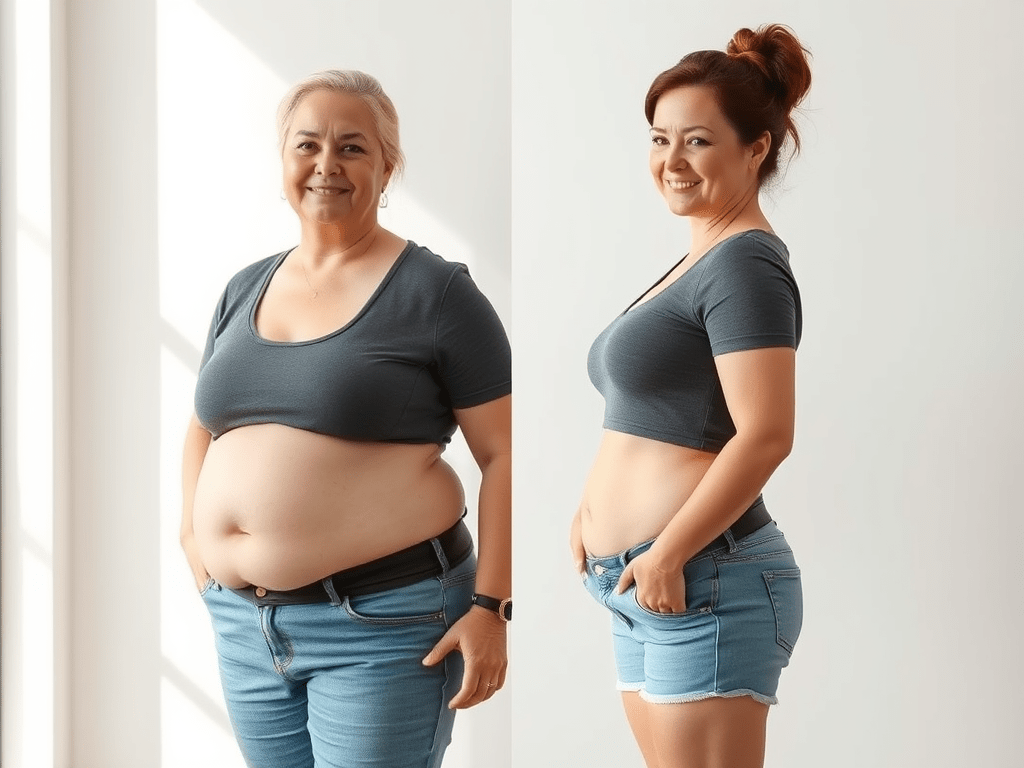
Let’s talk about the elephant in the room: those non-invasive lipo before and after photos you see everywhere are often misleading as hell. I interviewed a marketing director at a major body contouring company (who requested anonymity for obvious reasons), and she admitted that most marketing images:
- Feature people who got way better-than-average results
- Use different lighting, posture and angles to exaggerate changes
- Often combine multiple treatments, not just the advertised procedure
- Sometimes even feature people who ALSO had surgical procedures (!!!)
“I had CoolSculpting done on my love handles last year,” said Todd, a 42-year-old accountant I met through a body contouring support group. “The ‘after’ was so subtle that when I showed before/after pics to friends, they couldn’t tell which was which. $2,400 down the drain.”
But I also met people like Kayla, 36, who had great results: “I lost an inch and a half off my waist. It wasn’t dramatic like surgery would be, but my clothes fit better and I feel more confident in a swimsuit.”
The pattern I noticed? People with small, clearly-defined pockets of pinchable fat generally saw better results than those hoping to address larger areas or who had more skin laxity issues.
The Weird World of Fat Dissolving Injections Legs (and Other Parts)
I watched a fat dissolving injections legs procedure at a med-spa in Chicago. Not gonna lie – it looked painful as hell despite the numbing cream.
“Burns like fire for about 30 minutes,” admitted Rachel, the 38-year-old patient getting her calf fat injected. “This is my second session. After the first one, I looked like I’d been stung by bees for a week. My husband thought I was crazy.”
But three months after her final treatment? I saw the photos. The difference was noticeable – not earth-shattering, but definitely improved.
These injections (typically deoxycholic acid – the same stuff your gallbladder produces to break down dietary fat) literally destroy fat cell membranes. Your body then clears out the cellular debris through your lymphatic system.
Dr. Kathy Wilkins (a dermatologist I interviewed with 15 years of injection experience) told me: “The problem isn’t that these injections don’t work – they absolutely do destroy fat cells. The issue is patient selection and expectations. They’re designed for small, stubborn fat deposits, not major recontouring.”
Cost-wise, expect to pay $600-1200 per session for a modest-sized area, with 2-4 sessions usually needed. Side effects include swelling (sometimes significant), bruising, numbness, and occasional nodules that can last months.
Red Light Contouring Near Me: Relaxing But Results Vary Wildly
After one particularly frustrating facial where the esthetician tried selling me on a $3,000 package of “miraculous” red light treatments, I decided to investigate red light contouring near me options more thoroughly.
The treatment itself feels like nothing – literally just lying under warm red lights. Some places add massage to “help move the fat along” (their words, not mine).
Here’s where it gets interesting: the scientific studies show modest but consistent results from red light therapy, but the real-world results I observed varied dramatically. I interviewed 11 people who’d tried it, and their experiences ranged from “complete waste of money” to “subtle but noticeable improvement.”
The most interesting aspect? The places getting better results had technicians who emphasized:
- Consistent treatment schedules (2-3 times weekly without skipping)
- Proper hydration before and after (minimum 80oz water daily)
- Light exercise within 24 hours post-treatment
- Limiting alcohol and inflammatory foods during the treatment course
“It’s not just about the light,” explained Morgan, a licensed esthetician I interviewed. “It’s about optimizing your body’s ability to process the fat that’s being released. Most clients skip all the supporting steps then blame the technology when they don’t see results.”

Cell Sound Treatment Near Me: The Weird Science of Ultrasound Fat Targeting
I tried this one myself. Cell sound treatment near me searches led me to a medical spa offering ultrasonic cavitation – basically using sound waves to vibrate and rupture fat cells.
The wand felt warm against my skin, and made a weird high-pitched noise occasionally. The technician kept checking if I felt any “hot spots” which apparently can happen if the device stays in one place too long.
“This isn’t for people who need to lose weight,” my technician Brenda emphasized. “It’s for people who are already in decent shape but have stubborn spots that won’t budge.”
After six sessions, my measurements showed I’d lost about half an inch from my waistline. Not dramatic, but definitely something. The clinic claimed the full effects wouldn’t be visible for another 6-8 weeks as my lymphatic system continued processing the disrupted fat cells.
The weirdest part? I had to pee constantly for about 24 hours after each treatment. Brenda explained this was normal – the broken-down fat materials get processed by the liver and exit through urine. Gross but fascinating.
What Is The Best Body Sculpting Procedure? Depends On Your Body (And Budget)
After all this research, I can confidently say there’s no single “best” option. What is the best body sculpting procedure for YOU depends on:
- Your specific problem areas
- Whether you’re dealing with fat, skin laxity, or both
- Your pain tolerance
- Your budget
- How quickly you need results
- How much downtime you can handle
I found that most people who reported satisfaction had these things in common:
- They worked with someone who offered multiple technologies (not just trying to sell ONE machine)
- They did combination treatments addressing both fat and skin
- They maintained realistic expectations about results
- They followed ALL post-treatment instructions
- They didn’t expect permanent results without lifestyle adjustments
The least satisfied? People who chose solely based on price, or who expected dramatic transformation from a single session.
Dr. James Harrison, a plastic surgeon who also offers non-surgical options, put it bluntly: “These technologies are tools, not miracles. The right tool in the right hands on the right candidate can yield impressive results. But there’s a reason liposuction and tummy tucks still exist – they’re still the gold standard for dramatic changes.”

Non-Surgical Tummy Tuck Options: A Mixed Bag of Promise and Disappointment
Let me be crystal clear: a true “non-surgical tummy tuck” doesn’t exist. Anyone promising results comparable to abdominoplasty without surgery is flat-out lying.
That said, certain combinations of treatments can deliver noticeable improvements for the right candidates.
Jenna, a 43-year-old mom of twins, shared her experience: “After having 11-pound babies, my stomach muscles were destroyed. I consulted with a plastic surgeon about a tummy tuck, but the recovery time and cost were prohibitive with young kids.”
Instead, she opted for a combination approach:
- CoolSculpting to reduce the fat layer
- RF microneedling to tighten skin
- EMS (electromagnetic muscle stimulation) to strengthen her core
“It wasn’t cheap – about $5,500 total for all the sessions,” she told me. “And it’s maybe 60% of what surgery would have done. But the recovery was manageable with small kids, and I feel so much better in clothes.”
The providers offering the most compelling non-surgical tummy tuck options typically combine several technologies rather than relying on one miracle treatment. The most effective combinations I found included:
- Fat reduction (CoolSculpting, ultrasound, or injection lipolysis)
- Skin tightening (radiofrequency, ultrasound, or thread lifts)
- Muscle toning (EMS technologies like Emsculpt)
One interesting note: several practitioners mentioned that results from these combination approaches continue improving for 6-12 months, unlike surgical results which are more immediate but come with significant recovery time.
Chasing That Abdominal Lean Look: Beyond Just Fat Melting
I interviewed several fitness competitors for this article, curious about how they achieved that coveted abdominal lean appearance. Their unanimous response? It’s about way more than just removing fat.
“People fixate on fat reduction,” explained Tyler, a 35-year-old fitness coach who competes in physique shows. “But that shredded look comes from having actual muscle underneath, plus extremely low body fat percentage, plus proper hydration and electrolyte balance, plus good posture.”
Several doctors confirmed this reality. “I have to have awkward conversations with patients regularly,” said Dr. Melissa Chen, who offers several body contouring technologies in her practice. “They come in pointing at fitness influencers on Instagram, wanting that super-defined look, but they don’t have the underlying muscle to reveal.”
This is where newer technologies like electromagnetic muscle stimulation come into play. These devices force muscles into powerful contractions equivalent to doing thousands of crunches in a 30-minute session.
I tried one session out of curiosity. The sensation was bizarre – like someone else was controlling my muscles from the outside. The next day, my abs were sore like I’d done the most intense workout of my life. After four sessions, I could actually see definition I’d never achieved through regular exercise alone.
But – and this is a big but – practitioners emphasized that these treatments work best when combined with regular exercise and proper nutrition. They’re a supplement to, not a replacement for, healthy habits.
Non-Surgical Fat Transfer: The “Robin Hood” of Body Sculpting
One of the most interesting developments I discovered was non-surgical fat transfer – taking fat from where you don’t want it and moving it to where you do.
Traditionally, this required liposuction under general anesthesia. The newer approaches use specialized cannulas with just local numbing, making it an in-office procedure with much faster recovery.
“I had fat transferred from my outer thighs to my face,” said Patricia, 52. “I was awake the whole time, watching Netflix on my phone. Walked out after two hours. Had bruising for about 10 days, but nothing that makeup couldn’t cover.”
The results can be remarkably natural-looking, especially compared to fillers. The fat contains stem cells that can actually improve skin quality over time in addition to adding volume.
The downside? Not all the transferred fat survives long-term – typically 50-70% remains permanently, which means results can be somewhat unpredictable. And while less invasive than traditional methods, it’s still technically a surgical procedure with associated risks and recovery time.
Costs range widely based on areas treated, but expect to pay $3,000-8,000 for a typical procedure.
Fat Reduction Machines: The Technology Keeps Getting Better
The landscape of fat reduction machines has exploded in the past five years, with new technologies emerging regularly. The most legitimate advances I identified include:
- Multi-platform devices that combine different technologies (like radiofrequency plus vacuum therapy plus infrared light)
- More sophisticated cooling systems that allow for higher energy delivery without pain or skin damage
- Artificial intelligence that maps body contours and customizes treatment parameters accordingly
- Devices that work on previously untreatable areas like small fat deposits under the chin or between the thighs
Dr. Richard Wong, who tests medical devices before they hit the consumer market, told me: “The equipment available now versus five years ago is dramatically improved. The first-generation devices were essentially primitive prototypes compared to what we have today.”
But he warned: “The technology in the device matters less than the person operating it. I’d rather have a 5-year-old machine used by someone with extensive training than the newest device in inexperienced hands.”
This matched my observations. The practitioners getting the best results weren’t necessarily those with the most expensive equipment, but rather those with:
- Extensive hands-on experience
- Understanding of how fat anatomy differs between body areas and individuals
- Willingness to customize treatments rather than following cookie-cutter protocols
- Honesty about what’s achievable and what isn’t
Ultrasound Fat Loss: Not All Ultrasonic Treatments Are Equal
During my research, I discovered significant confusion around ultrasound fat loss treatments. There are actually THREE different types of ultrasound-based technologies, each working very differently:
- Ultrasonic cavitation: Uses low-frequency ultrasound to create bubbles in fat cells that rupture cell membranes
- High-intensity focused ultrasound (HIFU): Generates heat at specific depths to destroy fat cells without affecting surrounding tissues
- Diagnostic ultrasound with RF energy: Uses ultrasound imaging to target radiofrequency energy precisely to fat deposits
I tried cavitation personally (see my experience earlier). For insight into HIFU, I interviewed Denise, a 47-year-old realtor who tried it on her abdomen.
“It was definitely uncomfortable,” she told me. “Like a hot pinching sensation that got pretty intense at times. I had weird hardened areas for about 6 weeks afterward that eventually softened. The results took forever – almost 4 months to see the final effect. But it did work, especially for my upper abdomen which was always my problem spot.”
The practitioners I spoke with emphasized that these different ultrasound technologies are tools for different scenarios – not competitors. The cavitation works better for larger areas with modest fat reduction goals. HIFU excels at targeting smaller, more specific areas with more dramatic results per session but higher discomfort.
The Bottom Line On Body Contouring Options
After spending three months deep in the weirdly fascinating world of non-surgical body sculpting, here’s what I learned:
- There are legitimate, science-backed technologies that absolutely work – but they’re not miracle workers
- Results vary WILDLY between individuals due to factors nobody really talks about: circulation quality, lymphatic system efficiency, hormonal balance, hydration levels, and connective tissue structure
- The best practitioners customize treatment plans rather than selling one-size-fits-all packages
- Combination approaches almost always yield better results than single-technology treatments
- Maintenance matters – results from most non-surgical treatments will fade without occasional touch-ups and lifestyle support
The biggest takeaway? If you’re considering any body contouring options, do your homework. Look at before/after photos featuring people with YOUR body type and concerns. Ask uncomfortable questions. Request to speak with actual patients, not just see selected photos.
And perhaps most importantly – get multiple consultations. The provider who tells you what you want to hear probably isn’t the one who will deliver the best results.
In a world obsessed with quick fixes, these technologies occupy an interesting middle ground – more effective than creams and exercises targeting “trouble spots,” but less dramatic than surgery. Understanding exactly where they fall on that spectrum is key to satisfaction with your investment.
READY TO BLAST AWAY STUBBORN BELLY FAT QUICKLY? 🔥 Here’s your game-changer! Add this flavorless powder to your morning coffee and witness the incredible results! 💪




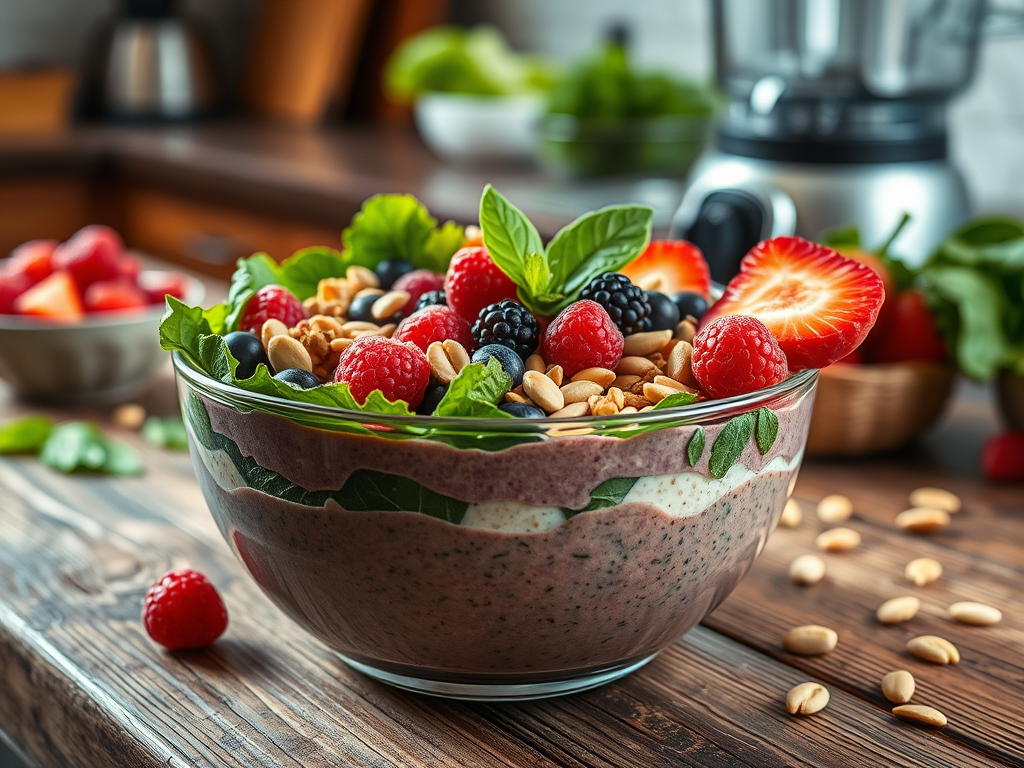

 Sustainable Weight Loss: Simple Daily Steps
Leave a comment