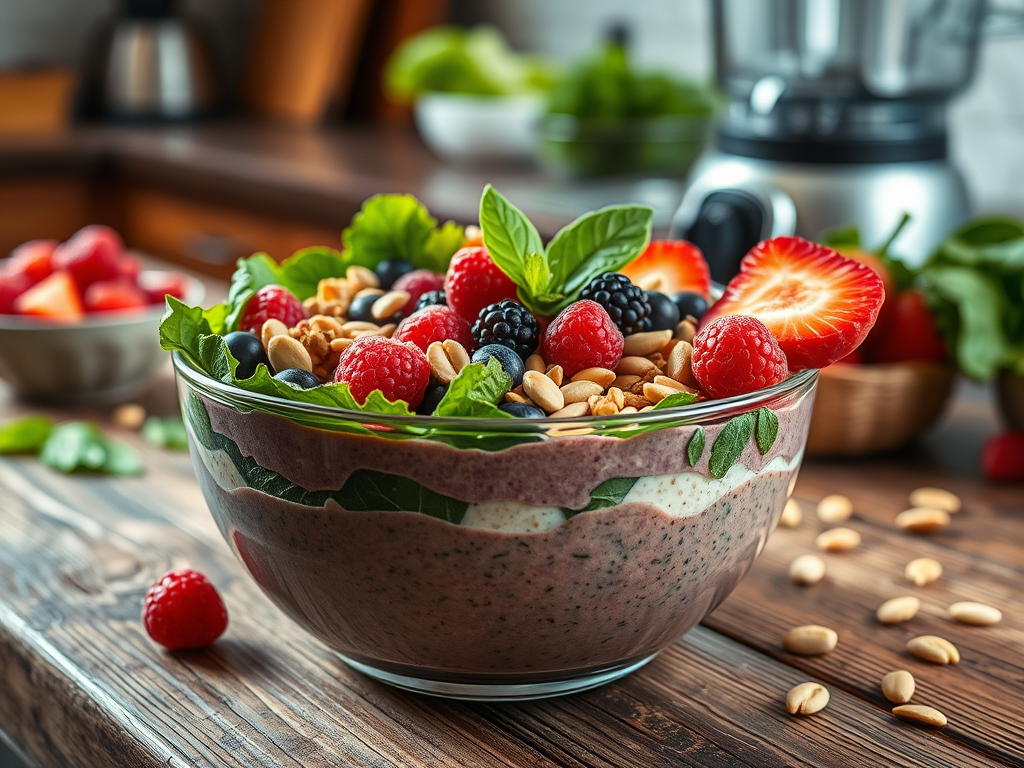
The journey toward sustainable weight management often begins with simple dietary changes. Incorporating nutrient-dense smoothies into your routine represents one such practical approach. This comprehensive guide explores a balanced 7-day smoothie weight loss diet plan grounded in nutritional science—not quick fixes or extreme measures.
Before proceeding, it’s essential to understand that healthy weight management requires a personalized approach. While smoothies can serve as valuable meal replacements or supplements, they should complement broader lifestyle modifications rather than represent a singular solution. This article provides evidence-based information about incorporating smoothies into a weight management strategy while maintaining nutritional adequacy.
The Science Behind Smoothie-Based Weight Management
Smoothies, when properly formulated, offer several potential benefits for those seeking weight management:
- Nutrient Density: Well-designed smoothies deliver concentrated nutrition while controlling caloric intake. By combining fruits, vegetables, proteins, and healthy fats, smoothies can provide essential nutrients within a reasonable calorie framework.
- Satiety Promotion: Research indicates that smoothies containing adequate protein and fiber can help regulate hunger hormones, potentially reducing overall caloric consumption. A 2018 study published in the Journal of Nutrition found that participants consuming high-protein smoothies reported greater fullness and consumed fewer calories throughout the day.
- Convenience Factor: The practicality of smoothies often translates to better dietary adherence—an essential component of any successful weight management program. When healthy options are accessible, individuals are less likely to resort to less nutritious alternatives.
- Portion Control: Measured ingredients allow for precise caloric intake tracking, addressing one of the most common challenges in weight management.
- Digestive Efficiency: The blended format may enhance nutrient absorption while supporting digestive processes through fiber content.
UNLOCK THE ULTIMATE WEIGHT LOSS SECRET!🔥 Tap into your body’s natural fat-burning power with a method celebrities have quietly used for years! 💪


Key Components of Effective Weight Management Smoothies
Building a smoothie that supports weight management goals requires intentional ingredient selection:
Protein Sources
Incorporating adequate protein (20-30g per meal) helps preserve lean muscle mass during weight loss and promotes satiety. Effective options include:
- Whey, pea, or hemp protein powders
- Greek yogurt
- Silken tofu
- Cottage cheese
Fiber-Rich Components
Dietary fiber slows digestion, stabilizes blood sugar, and enhances satiety. Include:
- Leafy greens (spinach, kale)
- Berries (raspberries, blackberries)
- Chia or flax seeds
- Psyllium husk
Healthy Fats
While counterintuitive to some, appropriate fat inclusion supports hormone production and vitamin absorption:
- Avocado
- Nut butters
- Seeds (pumpkin, sunflower)
- MCT oil

Liquid Bases
Choose wisely to avoid unnecessary calories:
- Water
- Unsweetened plant milks
- Green tea
- Coconut water
Flavor Enhancers
Natural flavor additions that won’t derail progress:
- Cinnamon (helps regulate blood sugar)
- Vanilla extract
- Fresh herbs (mint, basil)
- Lemon or lime juice
The 7-Day Smoothie Weight Loss Diet Plan
This structured approach incorporates smoothies as meal replacements for breakfast and lunch, with a balanced whole-food dinner. Each day provides approximately 1,500-1,700 calories—suitable for most adults seeking moderate weight loss without compromising nutritional adequacy.
Day 1: Metabolic Kickstart
Morning Smoothie:
- 1 cup spinach
- 1/2 avocado
- 1 tablespoon flaxseeds
- 1 scoop vanilla protein powder
- 1/2 cup blueberries
- 1 cup unsweetened almond milk
- Ice to desired consistency
Lunch Smoothie:
- 1 cup kale
- 1/2 banana
- 1 tablespoon almond butter
- 1 scoop chocolate protein powder
- 1 tablespoon cacao powder
- 1 cup unsweetened almond milk
- Ice to desired consistency
Dinner:
- 4 oz grilled chicken breast
- 1 cup roasted vegetables (broccoli, bell peppers, onions)
- 1/2 cup quinoa
- 1 tablespoon olive oil with lemon juice dressing
Day 2: Anti-Inflammatory Focus
Morning Smoothie:
- 1 cup mixed berries
- 1 tablespoon chia seeds
- 1/2 inch fresh ginger
- 1/4 teaspoon turmeric
- 1 scoop vanilla protein powder
- 1 cup unsweetened coconut milk
- Ice to desired consistency
Lunch Smoothie:
- 1 cup spinach
- 1/2 cucumber
- 1/2 green apple
- 1 tablespoon hemp seeds
- 1 scoop unflavored protein powder
- Juice of 1/2 lemon
- 1 cup water
- Ice to desired consistency
Dinner:
- 4 oz baked salmon
- 1 cup steamed asparagus
- 1/2 cup sweet potato
- Herbs and lemon for seasoning

Day 3: Digestive Support
Morning Smoothie:
- 1/2 cup pineapple
- 1/2 banana
- 1 tablespoon ground flaxseed
- 1 cup Greek yogurt
- 1/2 teaspoon cinnamon
- 1 cup water
- Ice to desired consistency
Lunch Smoothie:
- 1 cup spinach
- 1/2 avocado
- 1/2 cup cucumber
- 1 tablespoon mint leaves
- 1 scoop protein powder
- 1 cup coconut water
- Ice to desired consistency
Dinner:
- 4 oz turkey breast
- 1 cup roasted Brussels sprouts
- 1/2 cup brown rice
- 1 tablespoon olive oil with herbs
Day 4: Antioxidant Boost
Morning Smoothie:
- 1 cup mixed berries
- 1 tablespoon cacao nibs
- 1 tablespoon almond butter
- 1 scoop protein powder
- 1 cup unsweetened almond milk
- Ice to desired consistency
Lunch Smoothie:
- 1 cup kale
- 1/2 cup pineapple
- 1/2 cucumber
- 1 tablespoon hemp seeds
- 1 scoop protein powder
- 1 cup green tea (cooled)
- Ice to desired consistency
Dinner:
- 4 oz lean beef
- 1 cup stir-fried vegetables
- 1/2 cup quinoa
- Garlic and herbs for seasoning

Day 5: Hormone Balance
Morning Smoothie:
- 1 cup spinach
- 1/2 avocado
- 1 tablespoon pumpkin seeds
- 1 scoop protein powder
- 1/4 teaspoon cinnamon
- 1 cup unsweetened almond milk
- Ice to desired consistency
Lunch Smoothie:
- 1 cup mixed greens
- 1/2 cup strawberries
- 1 tablespoon flaxseeds
- 1 scoop protein powder
- 1 cup unsweetened coconut milk
- Ice to desired consistency
Dinner:
- 4 oz baked cod
- 1 cup roasted vegetables
- 1/2 cup lentils
- Lemon and dill for seasoning
Day 6: Muscle Recovery
Morning Smoothie:
- 1 banana
- 1 tablespoon natural peanut butter
- 1 scoop chocolate protein powder
- 1 tablespoon cacao powder
- 1 cup unsweetened almond milk
- Ice to desired consistency
Lunch Smoothie:
- 1 cup spinach
- 1/2 cup blueberries
- 1/2 avocado
- 1 tablespoon chia seeds
- 1 scoop vanilla protein powder
- 1 cup water
- Ice to desired consistency
Dinner:
- 4 oz chicken thigh
- 1 cup roasted sweet potato
- 1 cup steamed broccoli
- 1 tablespoon olive oil with garlic
Day 7: Detoxification Support
Morning Smoothie:
- 1 cup kale
- 1/2 lemon (peeled)
- 1/2 green apple
- 1 tablespoon parsley
- 1 tablespoon ginger
- 1 scoop protein powder
- 1 cup water
- Ice to desired consistency
Lunch Smoothie:
- 1 cup spinach
- 1/2 cup pineapple
- 1/2 cucumber
- 1 tablespoon mint
- 1 scoop protein powder
- 1 cup coconut water
- Ice to desired consistency
Dinner:
- 4 oz grilled shrimp
- 1 cup zucchini noodles
- 1/2 cup cherry tomatoes
- Garlic and herbs for seasoning
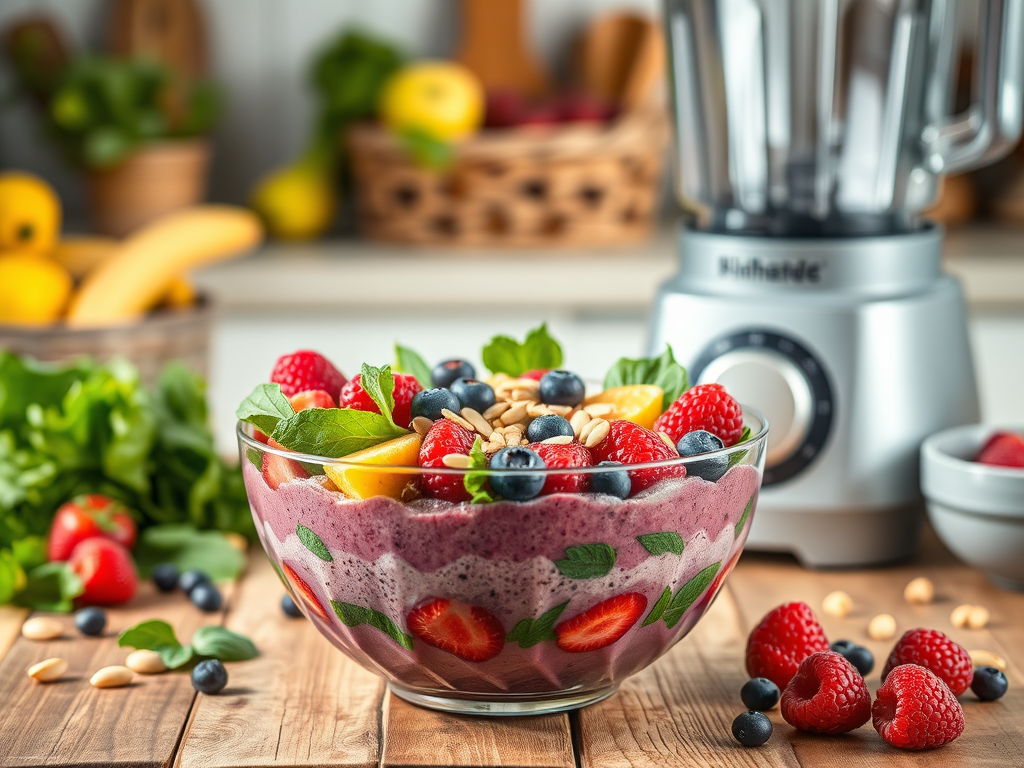
Practical Implementation Tips
Successfully incorporating a 7-day smoothie weight loss diet plan requires practical considerations:
- Preparation Strategy: Batch-prep ingredients by washing, chopping, and portioning smoothie components into freezer bags. This approach significantly reduces daily preparation time.
- Equipment Considerations: A high-powered blender produces smoother textures. However, personal blenders offer convenience for individual portions.
- Timing Optimization: Consume protein-rich smoothies within 45 minutes after exercise to support muscle recovery and metabolic function.
- Hydration Awareness: While smoothies contribute to fluid intake, continue drinking water throughout the day. Aim for at least 64 ounces (1.9 liters) daily.
- Hunger Management: If hunger emerges between meals, consider adding protein-rich snacks like hard-boiled eggs, Greek yogurt, or a small handful of nuts.
Beyond the 7-Day Plan
While this structured approach can initiate positive changes, sustainable weight management requires longer-term strategies:
- Gradual Transition: After completing the 7-day plan, gradually reintroduce whole foods while maintaining one daily smoothie as a breakfast or lunch option.
- Meal Timing Consideration: Research suggests that consuming larger meals earlier in the day may support weight management goals. Consider making breakfast or lunch your smoothie meals.
- Adaptive Approach: Modify smoothie ingredients based on seasonal availability, personal preferences, and nutritional needs. This flexibility supports long-term adherence.
- Regular Reassessment: Evaluate your progress every 2-4 weeks, adjusting caloric intake and macronutrient distribution as needed.
- Lifestyle Integration: Complement dietary changes with consistent physical activity, stress management, and adequate sleep—all critical factors in weight management.
Safety Considerations and Contraindications
While a 7-day smoothie weight loss diet plan offers benefits for many individuals, certain populations should exercise caution:
- Medical Conditions: Those with diabetes, kidney disease, or digestive disorders should consult healthcare providers before initiating significant dietary changes.
- Pregnancy and Lactation: Pregnant or breastfeeding women require specific nutritional considerations and should avoid caloric restriction.
- Medication Interactions: Certain ingredients may interact with medications. Consult healthcare providers if taking prescription medications.
- Individual Variations: Monitor energy levels, digestive responses, and overall well-being. Discontinue if adverse effects emerge.
- Professional Guidance: Consider consulting registered dietitians for personalized approaches aligning with specific health needs and goals.
Conclusion
The 7-day smoothie weight loss diet plan represents one potential approach to initiating dietary improvements. By providing nutrient-dense meal replacements with controlled caloric intake, this strategy can support reasonable weight management goals while maintaining nutritional adequacy.
Remember that sustainable weight management ultimately requires individualized approaches integrating dietary patterns, physical activity, stress management, and sleep quality. While smoothies can serve as valuable components within a comprehensive plan, they function most effectively as elements within broader lifestyle modifications.
Before embarking on any significant dietary change, consider consulting healthcare providers or registered dietitians, particularly if managing existing health conditions or taking medications. This balanced approach maximizes the potential benefits of incorporating smoothies into your dietary pattern while minimizing potential risks.
READY TO BLAST AWAY STUBBORN BELLY FAT QUICKLY? 🔥 Here’s your game-changer! Add this flavorless powder to your morning coffee and witness the incredible results! 💪







 Sustainable Weight Loss: Simple Daily Steps
Leave a comment